
Topic Overview:
- The Impact of High Altitude on Cordillera Coffee Quality
- Sustainable, Shade-Grown Coffee Cultivation
- Tasting Notes: The Flavor Profile of Premium Sagada Arabica
- The Health Benefits of Pure High-Altitude Arabica
- Philippine Specialty Coffee vs. Commercial Beans
- Frequently Asked Questions (FAQs) About Northern Philippine Coffee
Where does the best coffee originate? This has always been a debate for years, no matter where you go around the world.
While South America and East Africa have long dominated the conversation, a closely guarded culinary secret awaits those seeking an extraordinary cup that marries the warmth of family-style hospitality with world-class flavor.
But did you know you don’t need a plane ticket to experience exceptional coffee? You can enjoy it right here in the Philippines, amidst the mist-kissed peaks of the Cordillera mountains.
Northern Philippine coffee—specifically the premium heritage Arabica grown in Sagada and Benguet—is an absolute masterpiece of nature. But what exactly makes this local specialty coffee the best? It is a fascinating intersection of agronomy, indigenous heritage, and complex organoleptic chemistry. Here is the anatomy of the perfect cup:
The Impact of High Altitude on Cordillera Coffee Quality
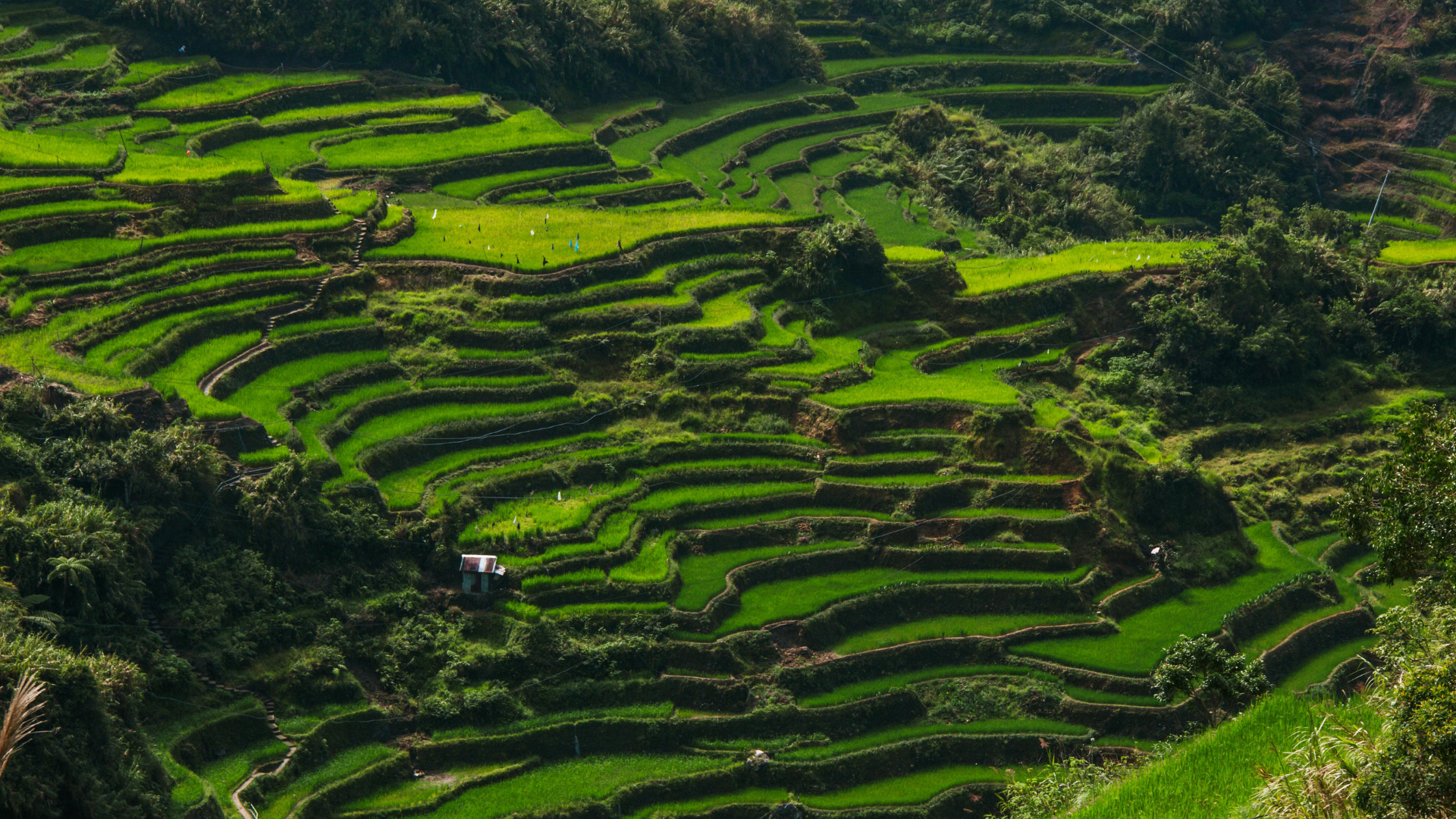
The premium Arabica beans served at Il Padrino Coffee and Restaurant are cultivated at staggering elevations, ranging from 1,000 to nearly 2,800 meters above sea level. Up in the Cordilleras, the cool mountain microclimate subjects the coffee plant to a natural “cold stress.” This environment dramatically slows down the maturation cycle of the coffee cherry. Because the cherry stays on the branch longer, the seed is granted a prolonged window to absorb critical nutrients, complex carbohydrates, and organic acids.
The result is a physically denser, high-altitude coffee bean packed with aromatic precursors that low-altitude, mass-market coffees simply cannot develop.
Sustainable, Shade-Grown Coffee Cultivation
While massive commercial coffee operations globally feature endless rows of trees exposed to full, direct sun and rely heavily on synthetic fertilizers, Northern Philippine Arabica is radically different.
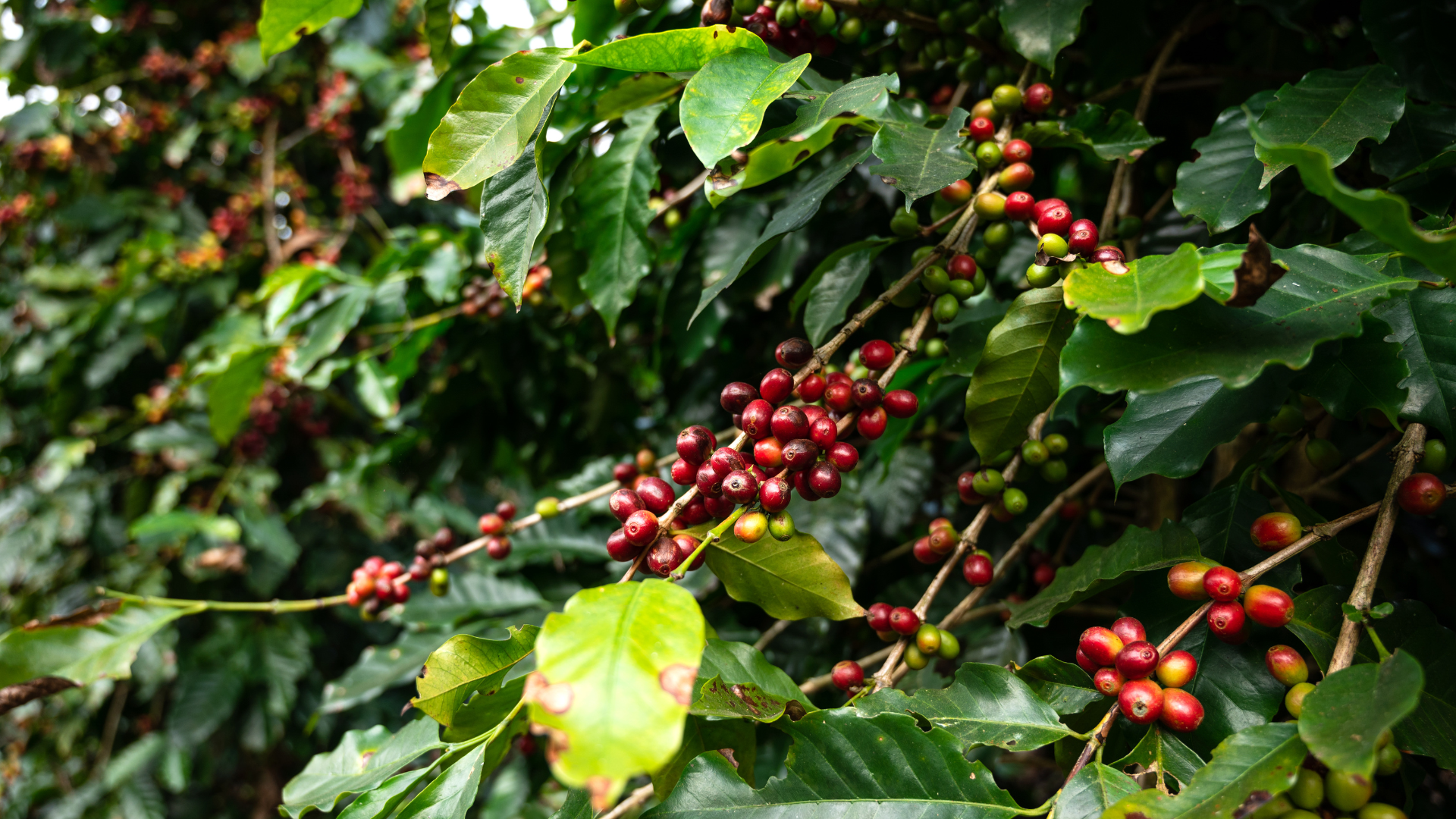
Indigenous Kankanaey and Igorot farmers cultivate the fragile Typica heritage variety within a sophisticated, pine-based agroforestry system . The coffee is grown in the shade, seamlessly integrated into the natural forest canopy alongside nitrogen-fixing Alnus trees.
Tasting Notes: The Flavor Profile of Premium Sagada Arabica
For palates accustomed to the harsh, burnt, or rubbery bitterness of commercial Robusta or instant coffee, the first sip of Sagada Arabica is a revelation.
In the specialty coffee world, Q-graders (the sommeliers of coffee) score beans on a strict 100-point scale. Northern Arabica consistently achieves premium and specialty scores due to its dynamic and complex sensory profile:
- Bright Acidity: It possesses a crisp, citrus-forward, or wine-like acidity. This is the vibrant “sparkle” that brings the beverage to life.
- Complex Aromatics: Delicate, floral notes reminiscent of jasmine are beautifully layered with hints of ripe peach and dried apricot.
- Velvety Body & Finish: Despite its bright top notes, it coats the palate with a heavy, syrupy texture, concluding with a deeply satisfying bittersweet chocolate or brown sugar finish.
The Health Benefits of Pure High-Altitude Arabica
Beyond its exquisite taste, pure Northern Philippine Arabica is a potent pharmacological agent. Because of the slow maturation process at high altitudes, these beans are exceptionally dense in vital antioxidants, particularly chlorogenic acid (CGA).
Unlike the high-caffeine payloads of low-grade coffees that often cause jitters, acid reflux, and heart palpitations, this Arabica delivers a smooth, highly bioavailable form of energy.
Regular consumption of this pure, unadulterated coffee neutralizes free radicals, reduces cellular inflammation, regulates blood sugar, and provides profound neuro-protective benefits. It is, quite literally, wellness in a cup.
Philippine Specialty Coffee vs. Commercial Beans
To truly appreciate the supremacy of Northern Philippine Arabica, it helps to view the facts side-by-side. Here is a quick breakdown of why this bean reigns supreme in the coffee industry:
| Feature | Northern Philippine Arabica | Mass-Market Commercial Coffee |
|---|---|---|
| Growing Environment | High-altitude (1,000–2,800m), shade-grown under a pine canopy. | Low-altitude, direct sun exposure, heavily mechanized. |
| Flavor Profile | Complex, floral, bright acidity, brown sugar, chocolate finish. | Mild, flat, often woody, bitter, or uniformly nutty. |
| Cultivation Method | Organic by default, sustainable agroforestry, hand-picked. | Heavily reliant on synthetic agrochemicals and clear-cutting. |
| Caffeine & Body | Smooth, sustained energy; syrupy and velvety mouthfeel. | Harsh caffeine spikes (jitters); often astringent or thin. |
Experience the Best Local Coffee at Il Padrino Coffee and Restaurant

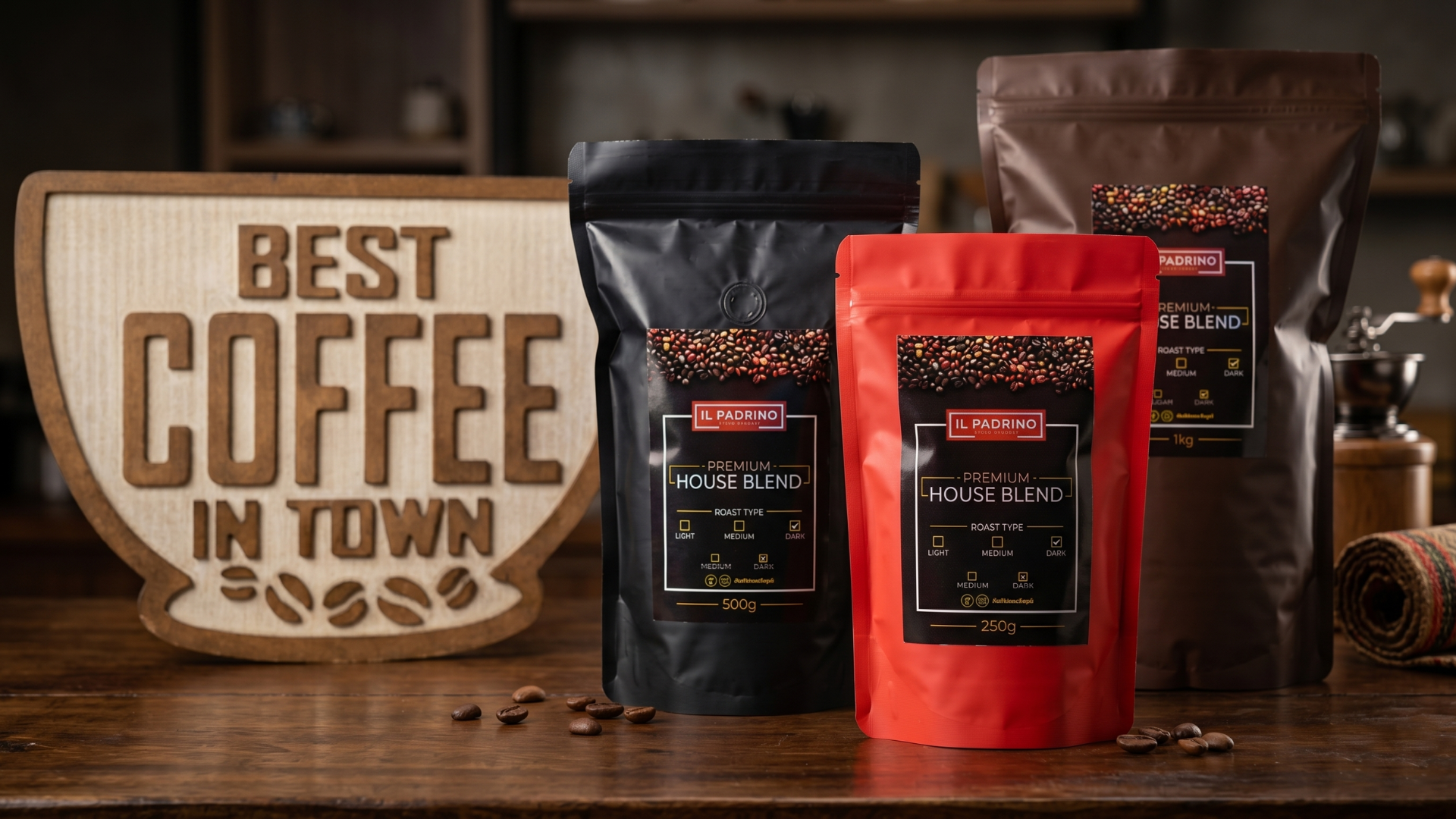
At Il Padrino Coffee and Restaurant, the culinary standard is nothing less than extraordinary. The establishment honors the legacy of the Cordilleran farmers by sourcing beans directly from the highlands. By bypassing predatory middlemen, Il Padrino ensures that the indigenous communities who guard this heritage are financially empowered.
To drink this coffee is not just to taste the finest beverage in the archipelago; it is to experience the culmination of history, environmental stewardship, and absolute culinary devotion.
Step into an Il Padrino branch, pair a meticulously brewed pour-over with signature Italian-inspired dishes, and taste the high-altitude secret firsthand.
Frequently Asked Questions (FAQs) About Northern Philippine Coffee
What type of coffee is grown in the Cordillera mountains?
The Cordillera region, particularly municipalities like Sagada and areas in Benguet, is famous for producing premium Coffea arabica. The most celebrated beans from this region belong to the heritage Typica variety, known globally for its exceptional cup quality and elegant flavor profile.
Why is high-altitude coffee considered better?
High altitudes offer cool microclimates that slow down the coffee cherry’s maturation process. This prolonged growth phase allows the beans more time to absorb nutrients and develop complex sugars and organic acids, resulting in a physically denser bean and a richer, more vibrant flavor profile compared to fast-growing, low-altitude commercial coffees.
Is Sagada coffee organically grown?
Yes, the vast majority of Sagada Arabica is considered “organic by default.” Indigenous farmers utilize a traditional, shade-grown agroforestry system beneath pine and Alnus trees. This method relies on natural leaf litter for fertilizer and promotes biodiversity to control pests, eliminating the need for harsh synthetic agrochemicals.
What does Northern Philippine Arabica taste like?
Premium Northern Philippine Arabica features a bright, crisp, citrus-forward or wine-like acidity. It offers a complex aroma with floral and stone fruit notes, coupled with a velvety, syrupy body and a lingering, bittersweet chocolate or brown sugar finish.